
Vision Insurance Plans For Families
Eye health matters more than most people realize. If you have a family, you know how quickly costs can pile up—from routine eye exams to new glasses or contact lenses for kids. Many parents worry about these expenses, especially since vision problems can affect learning, sports, and even confidence.
That’s why vision insurance plans for families are so important. They help protect your loved ones, save money, and give peace of mind. But choosing the right plan can be confusing, with so many choices, prices, and coverage options. This article explains everything you need to know about vision insurance for families, from what’s covered to tips for picking the best plan.
What Is Vision Insurance?
Vision insurance is a special type of health insurance focused on eye care. Unlike regular health insurance, vision insurance covers things like eye exams, glasses, contact lenses, and sometimes even discounts for laser eye surgery. Family plans usually cover all members—parents and children—with one monthly payment.
Most vision insurance plans work like this:
- You pay a monthly premium (fixed fee)
- You get a free or low-cost annual eye exam
- You get an allowance for glasses or contact lenses
- Sometimes, you get discounts for extra services (like LASIK)
Vision insurance is not just for people with current eye problems. Eye exams can find early signs of diabetes, high blood pressure, and other health issues. For children, regular check-ups can spot vision issues before they affect schoolwork.
Why Families Need Vision Insurance
Vision insurance is valuable for families for several reasons:
- Cost Savings: Without insurance, an eye exam can cost $100–$200. Glasses can range from $150 to $500 or more. For a family of four, yearly costs can easily reach $1,000. Vision insurance can cut these costs by half or more.
- Preventive Care: Kids often need regular eye exams because their vision changes as they grow. Early detection of problems can prevent headaches, poor grades, and even accidents.
- Access to Specialists: Insurance networks give access to qualified eye doctors. You avoid risky online glasses purchases or cheap, unreliable eye exams.
- Special Coverage for Kids: Some plans cover special needs like sports goggles or prescription sunglasses.
- Convenience: One policy covers the whole family. No need to buy separate plans for each member.
A surprising insight: About 25% of school-aged children have vision problems, but many parents don’t realize it until grades drop or teachers notice issues.

Credit: blakeinsurancegroup.com
What Does Vision Insurance Cover?
Coverage varies by plan, but most family vision insurance includes:
- Annual eye exams for every member
- Prescription glasses (frames and lenses)
- Contact lenses (with an annual allowance)
- Lens enhancements (anti-scratch, anti-reflective coatings)
- Discounts on LASIK or other eye surgeries
Some plans offer extras:
- Retinal imaging (advanced screening)
- Prescription sunglasses
- Glasses replacement for kids
Here’s a sample comparison of typical coverage:
| Service | Basic Plan | Premium Plan |
|---|---|---|
| Eye Exam | $10 copay | Free |
| Frames | $120 allowance | $200 allowance |
| Contact Lenses | $100 allowance | $180 allowance |
| Lens Coatings | Discounted | Included |
| LASIK Discount | 10% | 20% |
Non-obvious insight: Many basic plans don’t cover lost or broken glasses for kids, but some premium plans do. If your children are active, this extra is valuable.
Types Of Vision Insurance Plans For Families
You’ll find two main types of vision insurance:
Employer-sponsored Plans
Many employers offer vision insurance as part of their benefits package. These plans are often cheaper, since companies pay part of the cost.
- Usually covers employees and dependents
- Lower monthly premiums
- Limited to provider network
Individual And Family Plans
If your employer doesn’t offer vision insurance, you can buy a plan directly from an insurance company. These plans are flexible and let you choose coverage.
- Can cover spouse and children
- More choices in providers and coverage
- Higher premiums, but often better benefits
Discount Vision Plans
Some companies offer discount plans, not true insurance. These give lower prices for exams, glasses, or contacts, but you pay most costs yourself.
- No monthly premium, just a membership fee
- Discounts at participating stores and clinics
- Good for families with few vision needs
Here’s a quick comparison:
| Plan Type | Monthly Cost | Coverage | Flexibility |
|---|---|---|---|
| Employer-Sponsored | $10–$30 | Basic to moderate | Limited |
| Individual/Family | $20–$50 | Moderate to extensive | High |
| Discount Plan | $5–$15 | Discount only | Moderate |
How To Choose The Best Vision Insurance For Your Family
Picking the right plan needs careful thought. Here’s what really matters:
- Provider Network: Make sure your family’s eye doctors are in-network. Out-of-network visits cost more.
- Coverage for Kids: Children need frequent exams and may break glasses often. Look for plans with extra coverage for replacements.
- Allowance Amounts: Check the yearly allowance for frames, lenses, and contacts. Some plans seem cheap but have low allowances.
- Premium vs. Out-of-Pocket: Compare monthly premium costs with what you’d pay without insurance. Sometimes, a slightly higher premium saves more overall.
- Waiting Periods: Some plans make you wait a few months before coverage starts, especially for expensive services.
- Extras and Discounts: If someone in your family wants LASIK or wears specialty lenses, check for discounts.
- Customer Service: Look for plans with easy claims and good support. Poor service can make using benefits hard.
- Read the Fine Print: Watch for exclusions, like only one pair of glasses per year or no coverage for lost items.
Example: A family with two kids who play sports may need coverage for sports goggles. Not all plans include this, so ask before buying.
Popular Family Vision Insurance Providers
Several companies offer vision insurance plans for families in the US. Here are some of the top names:
- VSP (Vision Service Plan): Largest provider, wide network, flexible plans
- EyeMed: Good allowances, many retail partners (LensCrafters, Target Optical)
- Davis Vision: Affordable premiums, strong coverage for kids
- Humana: Custom plans, easy online management
- UnitedHealthcare: Includes vision with health insurance bundles
Each provider has different strengths. For example, VSP is known for its huge network, while EyeMed is popular for retail store access.
Here’s a comparison of three major providers:
| Provider | Network Size | Annual Eye Exam Copay | Frame Allowance | Special Coverage |
|---|---|---|---|---|
| VSP | 36,000+ | $10 | $150 | Lens enhancements |
| EyeMed | 44,000+ | $15 | $130 | Retail store access |
| Davis Vision | 30,000+ | $10 | $130 | Kids’ frame discounts |
Non-obvious insight: Some plans include low vision therapy for children with special needs—a rare but valuable benefit.
Common Mistakes When Choosing Vision Insurance
Families often make these mistakes:
- Choosing the cheapest plan without checking allowances. Low premiums often mean low coverage.
- Ignoring network restrictions. If your preferred doctor isn’t covered, you may pay much more.
- Overlooking extras. Plans may not cover lost glasses or specialty lenses for kids.
- Not reading renewal terms. Some plans raise premiums after the first year.
- Forgetting about family changes. If you plan to add a new member (baby or spouse), check how easy it is.
Tip: Ask your doctor which insurance they accept. Some plans advertise wide networks, but not all doctors participate.
How To Use Vision Insurance Benefits
Once you have a plan, getting the most from it is simple if you follow these steps:
- Schedule yearly exams for each family member. Most plans allow one per year.
- Use your frame and lens allowances before they expire. Allowances don’t roll over.
- Ask about lens enhancements. Coatings can protect glasses and make them last longer.
- Save receipts and submit claims quickly. If your plan requires paperwork, delays can mean missed benefits.
- Check for special offers. Some insurers send coupons or extra discounts during back-to-school season.
Example: If your child loses their glasses, some plans will replace them for free or at a low cost. Always check your benefits before paying out-of-pocket.
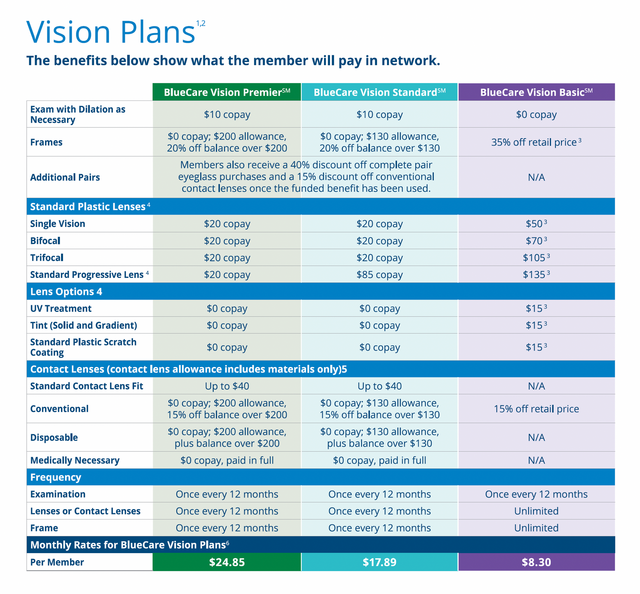
Credit: www.insurewithintegrity.com
Real-life Example: How Vision Insurance Saved A Family Money
The Johnson family has three kids. Before getting vision insurance, they paid $180 per child for exams and $220 for each pair of glasses. That totaled $1,200 per year. After buying a family plan for $38 per month ($456 per year), they paid only $60 per exam and $70 for glasses, saving over $500 a year.
Plus, they got lens coatings and free replacements for broken glasses.
This example shows how vision insurance can make eye care affordable and stress-free.
Frequently Asked Questions
What Does A Family Vision Insurance Plan Cover?
Most family plans cover annual eye exams, prescription glasses, contact lenses, and sometimes lens enhancements like anti-scratch coatings. Some plans also include discounts for LASIK or special glasses for children.
How Much Does Vision Insurance For A Family Cost?
Family vision insurance usually costs $25–$50 per month. The price depends on the provider, coverage, and number of family members. Employer plans are often cheaper than individual plans.
Can I Use Vision Insurance For Online Glasses Purchases?
Some plans let you use allowances for online retailers, but not all. Check your provider’s network and rules. Online purchases may lack fitting services and adjustments.
Are Pre-existing Eye Conditions Covered?
Most vision insurance covers routine care regardless of past eye problems. But treatments for eye diseases (like glaucoma) are handled by regular health insurance, not vision insurance.
When Is The Best Time To Buy Vision Insurance For My Family?
The best time is before school starts or before anyone needs new glasses or contact lenses. Many families buy plans during open enrollment or when changing jobs.
Vision insurance plans for families make eye care affordable, easy, and reliable. By knowing what’s covered, comparing providers, and avoiding common mistakes, you can protect your family’s eye health for years to come. If you want more details on vision insurance providers and coverage options, visit Verywell Health for expert reviews and comparisons. Choosing the right vision insurance plan means your family can focus on what matters most—clear vision and a bright future.

Credit: www.humana.com
Read More:
- RV Insurance Coverage Comparison: Find the Best Plan for You
- Mortgage Protection Insurance Policy: Essential Guide for Homeowners
- Event Liability Insurance Coverage: Protect Your Next Event Now
- Insurance Lead Generation Services: Boost Your Sales Fast
- Commercial Property Insurance Rates: What Affects Your Premiums?
- Gap Insurance for Financed Cars: Protect Your Investment Today
- Best Auto Insurance for Veterans: Top Discounts and Coverage
- Online Insurance Broker Platforms: Simplify Your Policy Search